Nectar
Hummingbird nectar recipe
Two ingredients, one ratio, four minutes. Everything else you have read about this is either the ratio again or a warning about what to leave out.
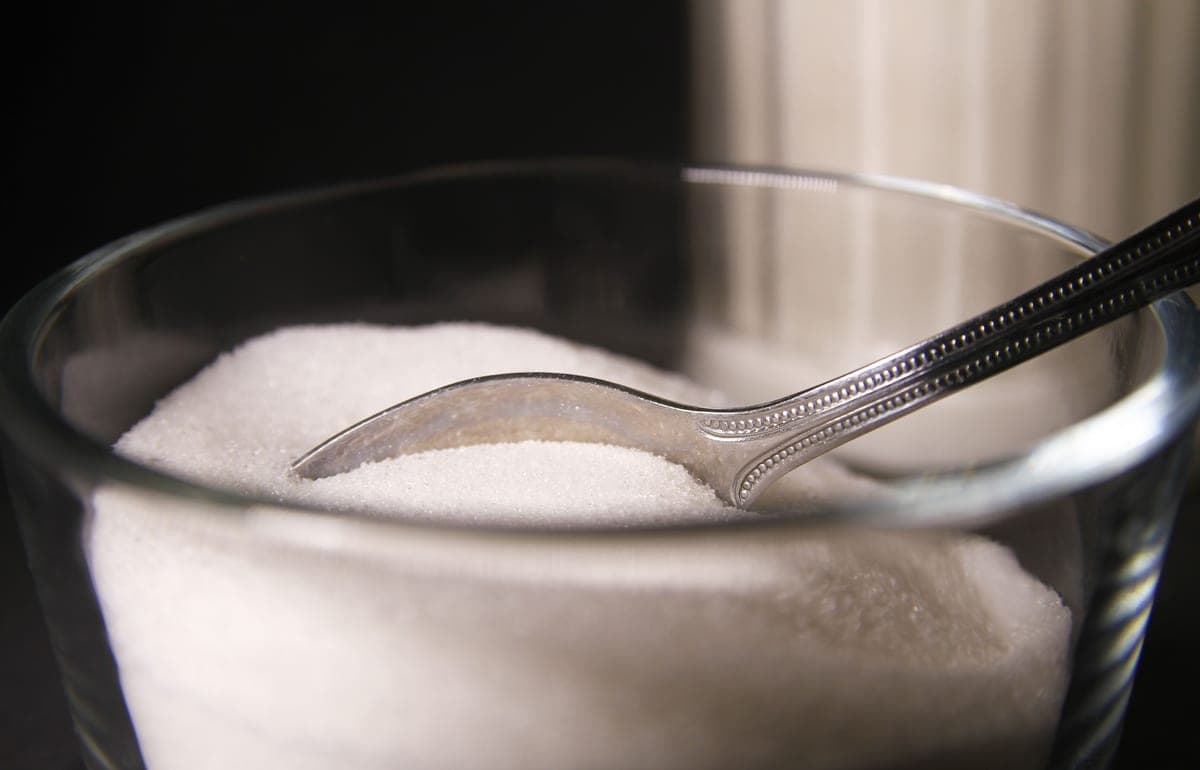
Four parts water to one part plain white sugar. Audubon’s recipe is a quarter cup of refined white sugar to one cup of boiling water. Stir until the sugar dissolves, let it cool completely, then fill the feeder. Nothing else goes in — no red dye, no honey, no brown sugar, no substitutes.
The method
- Measure. One part plain white sugar to four parts water. Audubon states it as a quarter cup of refined white sugar to one cup of boiling water; scale it up in the same proportion.
- Dissolve. Boiling water dissolves the sugar completely, which matters — undissolved sugar settles and gives you weaker nectar than you think.
- Cool completely. Do not fill the feeder warm. Warm nectar starts fermenting sooner, and hot liquid can warp plastic parts.
- Fill and refrigerate the rest. Whatever you do not use goes in a covered container in the fridge. See how long nectar keeps.
That is the whole recipe. There is no step five, and any page that adds one is selling something.
The scaling table
| Sugar | Water | Yield (approx.) | Fills |
|---|---|---|---|
| 1/4 cup | 1 cup | ~8 oz | One 8 oz feeder |
| 1/2 cup | 2 cups | ~16 oz | One 16 oz feeder |
| 3/4 cup | 3 cups | ~24 oz | Two 12 oz feeders |
| 1 cup | 4 cups | ~32 oz | A week of a 12 oz feeder |
The ratio-and-scaling question gets its own page if that is all you came for: hummingbird sugar water ratio.
Do you have to boil it?
Boiling is in Audubon’s recipe and it is worth doing, but for a narrower reason than people assume. It is not primarily about sterilizing the nectar — the moment you pour it into a feeder that has been outdoors, it is no longer sterile. Boiling is about dissolving the sugar completely and about starting with water that has had any chlorine driven off.
If you use hot tap water and stir until there is not a single grain left, you have functionally achieved the same thing — the Smithsonian’s National Zoo states outright that the water does not need to be boiled. The longer version, including the mistake that makes nectar too strong, is on do you need to boil hummingbird nectar. What matters far more than boiling is the cleaning schedule, because that is where fermentation is actually prevented.
What must never go in
Short version, with the reasoning on its own page:
- Honey. Audubon says plainly that honey can promote dangerous fungal growth. This is the most important line on the page.
- Red food coloring. Audubon calls it not necessary and says it could also prove harmful. Red on the feeder attracts birds; red in the nectar does nothing for them.
- Brown, raw or unrefined sugar. Use refined white sugar, which is what the recipe specifies.
- Artificial sweeteners. Hummingbirds are fueling flight muscles. A zero-calorie sweetener is not food.
The full explanation of each is on what not to put in hummingbird nectar, and the dye question specifically on is red dye bad for hummingbirds.
Fresh nectar in a dirty feeder is wasted nectar
This is the point most recipe pages never make. Getting the recipe right takes four minutes once. Keeping the nectar safe takes two minutes every few days, forever, and it is the part that actually determines whether your feeder helps birds or harms them.
Cornell’s guidance is to change sugar water every three to five days to prevent mold and deadly fermentation, more often in hot weather. Clemson’s extension service recommends refilling twice a week as standard and breaking the feeder down for a proper wash weekly with a four-to-one vinegar and water solution.
Which is why we recommend feeders on how fast they come apart rather than how they look. The cadence · feeders that make it easy.
Making a batch that lasts the week
Make a cup of sugar to four cups of water on a Sunday, keep it covered in the fridge, and you have most of a week of refills ready to pour. It saves the boiling step on every visit, which in practice is what keeps the change-cycle on schedule rather than slipping.
Common questions
Frequently asked
What is the correct sugar-to-water ratio for hummingbirds?
Four parts water to one part plain white sugar. Audubon states it as a quarter cup of refined white sugar to one cup of boiling water.
Do you have to boil the water for hummingbird nectar?
Boiling is in the standard recipe and worth doing, mainly because it dissolves the sugar completely. It does not keep the nectar sterile once it is in an outdoor feeder — the cleaning schedule does that.
Can you use tap water for hummingbird nectar?
Yes, in most places. Bringing it to a boil drives off chlorine. If your water is heavily treated or you would not drink it yourself, use filtered or bottled water.
Should I add red dye to hummingbird nectar?
No. Audubon calls red food coloring not necessary and notes it could also prove harmful. Red on the feeder itself is what attracts birds.
Can you use honey in hummingbird nectar?
Never. Audubon warns that honey can promote dangerous fungal growth. Plain white sugar only.
How long does homemade hummingbird nectar last?
Covered in the fridge, about a week. In the feeder it is a different question entirely — three to five days in moderate weather and daily in very hot weather. See the shelf-life page.
Sources
Where this came from
Read next
Related reading
By Scooter M.
an enthusiast who's genuinely into this. I read the manuals, compile the published specs, and do the math. No lab coat.
Published September 1, 2026