guide
Hummingbird nectar recipe
The 4:1 recipe in four steps, with the Audubon sourcing and the shelf life.
Read itWing & Window
The recipe is four ingredients short of complicated: water and plain white sugar, four to one. Everything difficult about nectar is what happens after you pour it.
We earn a commission on purchases made through our links, at no extra cost to you. We don’t accept free products or paid placements. Full disclosure.
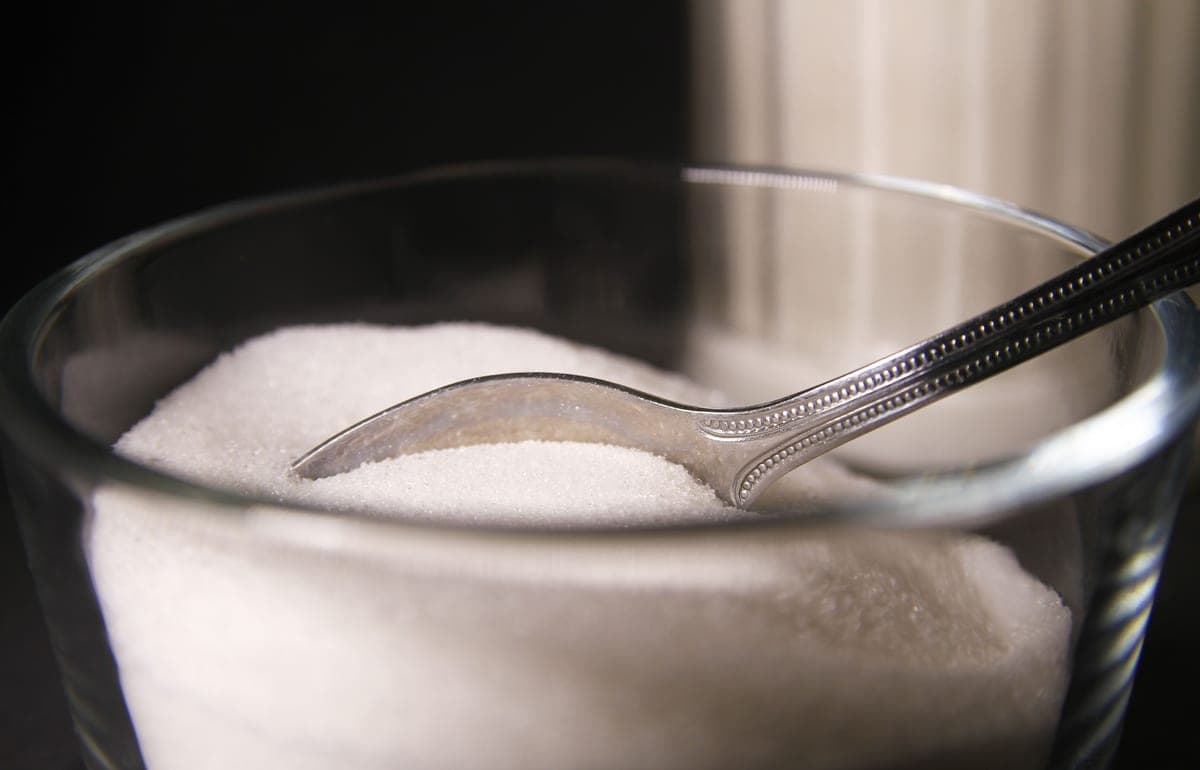
Four parts water to one part plain white sugar. Boil, cool, fill. That is the entire recipe, and it is what the National Audubon Society publishes — a quarter cup of refined white sugar to one cup of boiling water.
Nothing else goes in. No red dye, no honey, no brown sugar, no artificial sweeteners. The full method · what to leave out, and why.

In this section
guide
The 4:1 recipe in four steps, with the Audubon sourcing and the shelf life.
Read it
guide
Honey, red dye, brown sugar, sweeteners and 'natural' additives — why each is out.
Read it
What homemade actually needs
Homemade wins on cost and control. Two situations where commercial nectar earns its place.
Top pick: Hummingbird Feeder Brush Kit (3-piece)
Best feeder for concentrate
Buy clear, buy concentrate, skip red. Plus the gear that makes mixing your own easy.
Top pick: First Nature 3051 16 oz
Makes the schedule easy
A week in the fridge, 3-5 days in the feeder, daily when it is hot. The two clocks explained.
Top pick: Aspects HummZinger HighView 12 oz
guide
Audubon's position, plus the simpler argument: the dye does not do what people think it does.
Read it
guide
No, you don't have to. What boiling does, what it can't do, and the mistake that makes nectar too strong.
Read itGetting 4:1 right takes one measurement, once. Keeping that nectar safe takes a wash every few days for six months, and that is where feeders and people actually fail.
Warm sugar water outdoors is close to an ideal medium for yeast and mold. Cornell’s guidance is to change sugar water every three to five days to prevent mold and deadly fermentation, and more often in hot weather. Clemson’s extension service recommends refilling twice a week as standard, with a full break-down wash weekly using a four-to-one vinegar and water solution.
So the honest framing is: the recipe is a four-minute job you do once, and the schedule is the actual commitment. Which is also why we recommend feeders on how fast they come apart rather than on how they look.
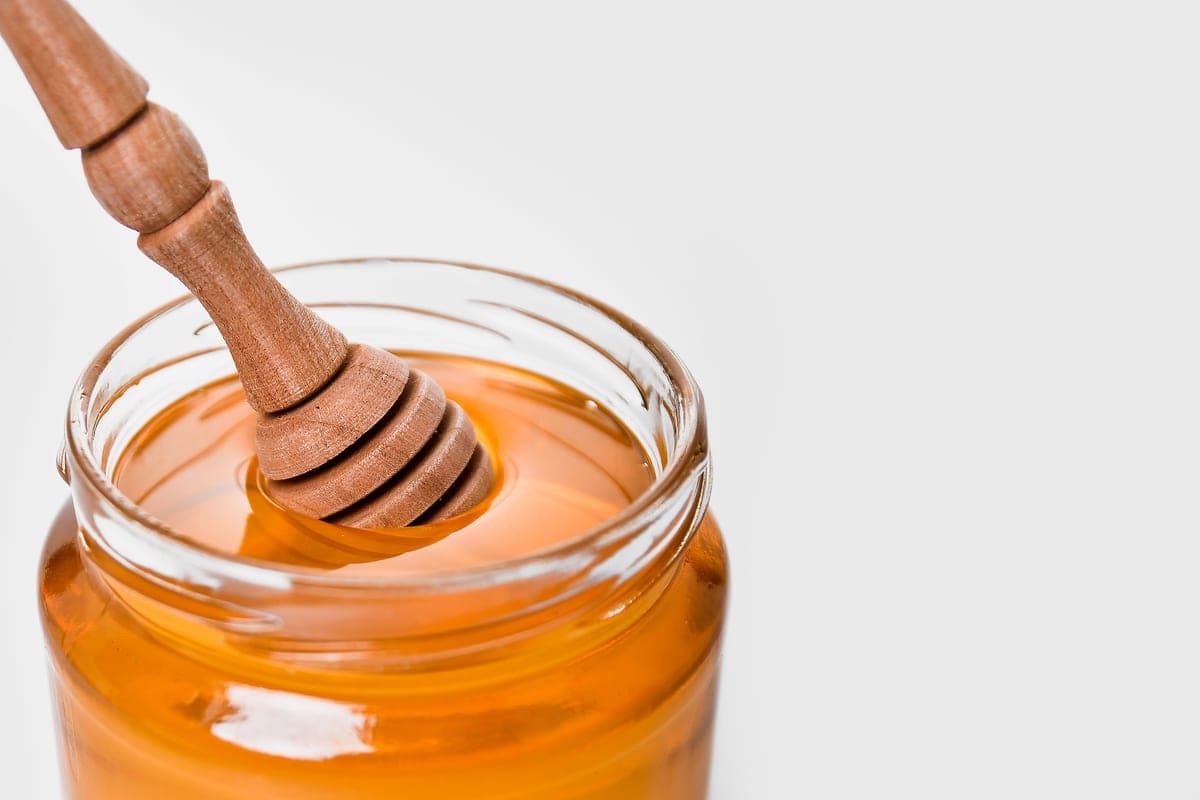
Honey is the dangerous one. Audubon warns that honey can promote dangerous fungal growth. It feels like the natural, kind choice, which is exactly why it keeps being used. Never put it in a feeder.
Red dye is the pointless one. Audubon calls red food coloring not necessary and notes it could also prove harmful. Set the safety question aside and it still fails: hummingbirds are drawn to red on the feeder, which is why nearly every feeder has a red lid or red ports. Red liquid inside a reservoir is invisible at the distance a bird decides to investigate. The full answer.
Mixed nectar keeps about a week covered in the fridge. In the feeder it is three to five days in moderate weather and daily when it is very hot. Those are separate questions and the second one is the one that matters, because that is where the birds drink. Both clocks explained.
The single most useful habit here: make a batch of a cup of sugar to four cups of water on a Sunday and keep it covered in the fridge. Refills become pour-and-go, which is what keeps the change cycle on schedule rather than slipping to whenever you get round to boiling a pan.
Mostly no. Homemade is the same liquid for pennies a fill, and you know for certain there is no dye in it. Commercial nectar earns its place in two situations — travel, and anyone for whom the boil-and-cool routine is genuinely difficult — and if you do buy, buy clear concentrate rather than a red ready-to-use bottle. The comparison · what to look for on the label.
Common questions
Four parts water to one part plain white sugar — Audubon states it as a quarter cup of refined white sugar to one cup of boiling water.
Never. Audubon warns that honey can promote dangerous fungal growth. Plain refined white sugar only.
Every three to five days in moderate weather and daily in very hot weather, with a full wash of the feeder at the same time.
Elsewhere on Wing & Window
8 pages in this section. How we choose picks.