The feeder fix
How to keep bees off hummingbird feeders
Seven fixes, ordered by effectiveness. Plus the two popular ones that harm birds.
Top pick: Aspects HummZinger Ultra 12 oz
Wing & Window
Most sites write one page called “keeping bugs away”. That page cannot be right, because an ant moat does nothing for a bee and a bee guard does nothing for an ant.
We earn a commission on purchases made through our links, at no extra cost to you. We don’t accept free products or paid placements. Full disclosure.
In this section
The feeder fix
Seven fixes, ordered by effectiveness. Plus the two popular ones that harm birds.
Top pick: Aspects HummZinger Ultra 12 oz
Best add-on moat
Water above the feeder. The mechanism, the four failure modes, and what not to use.
Top pick: Trap-It Ant Moat
Best against wasps
Six wasp-specific fixes, and where the bee advice does and does not transfer.
Top pick: Aspects HummZinger Ultra 12 oz
Best add-on moat
Water capacity is the whole spec. The Trap-It holds 3/4 cup, which is more than most.
Top pick: Trap-It Ant Moat

What to use instead
No, and there is no mechanism behind it. What does work, and why the myth persists.
Top pick: Trap-It Ant Moat

Removes three causes at once
Eight causes in order of likelihood, from wrong season to a dominant bird guarding it.
Top pick: Aspects HummZinger HighView 12 oz
guide
Baffles, sizing and mounting height — plus the popular fix that damages both fur and feathers.
Read it
Best if you have both problems
Ants are a water problem, bees are a geometry problem. Buy the fix that matches your insect.
Top pick: Aspects HummZinger Ultra 12 oz
Best retrofit - Aspects feeders only
No universal bee guard exists. The two real ones are model-locked - check your feeder first.
Top pick: Aspects 384 Nectar Guard Tips (4 pack)
Most sites publish a single “keeping bugs off your hummingbird feeder” article. That page cannot be correct, because the two main problems have nothing in common.
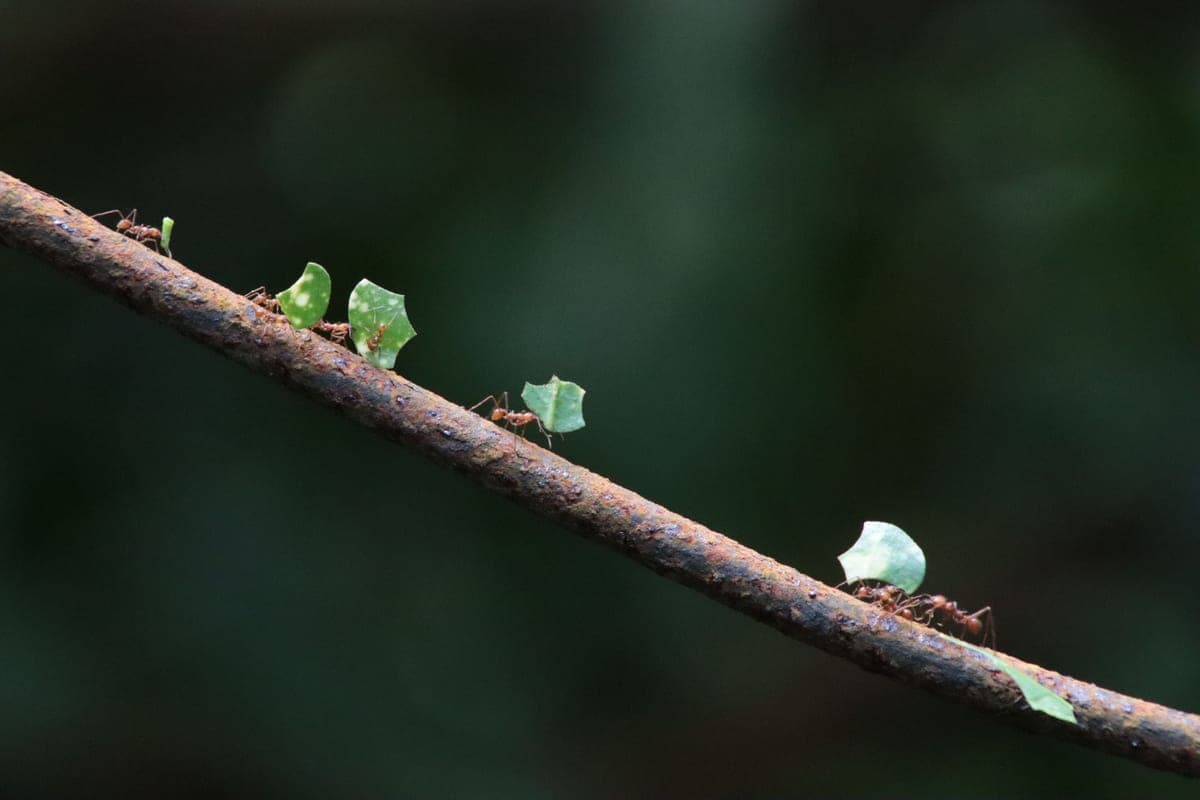
Ants walk. They arrive down the wire from the hook or the branch above. The fix is a small cup of plain water hung between the hook and the feeder — a moat. Ants will not cross it. That is close to a hundred percent effective and it costs a few dollars. Audubon describes feeders equipped with moats to drown ants and attachable ant guards you can buy separately.
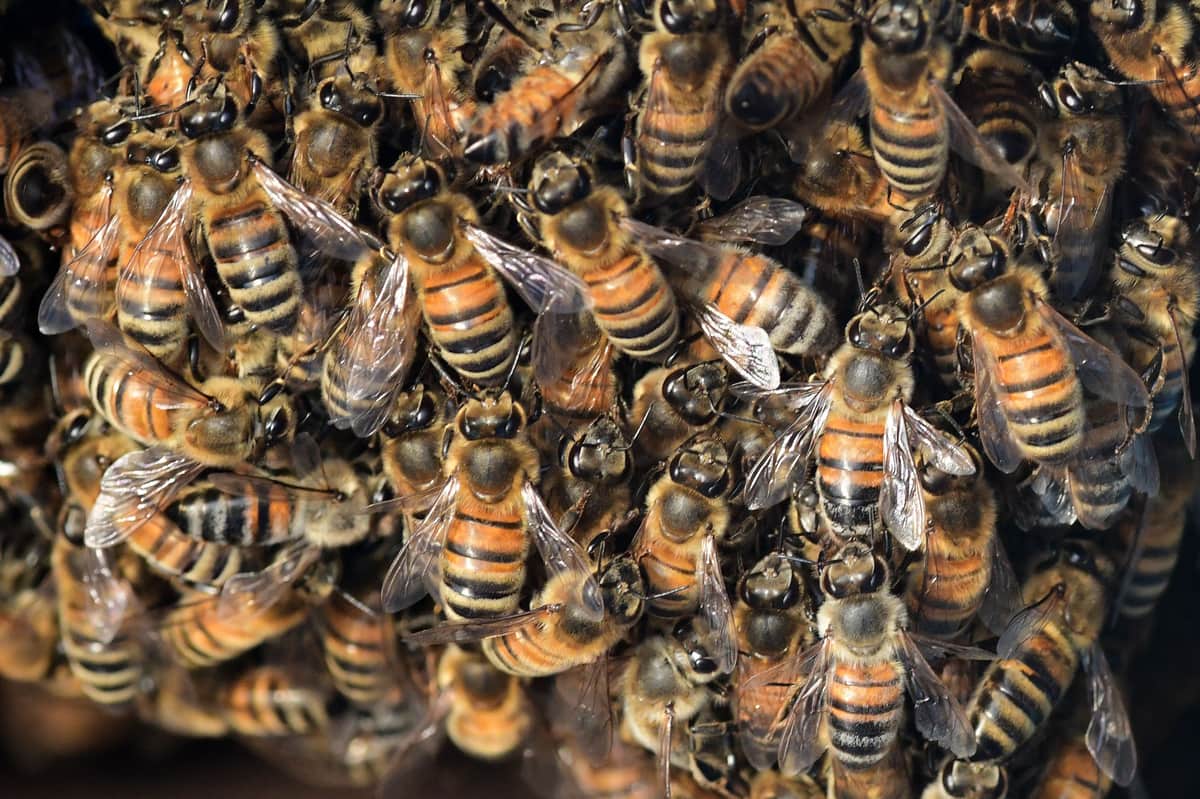
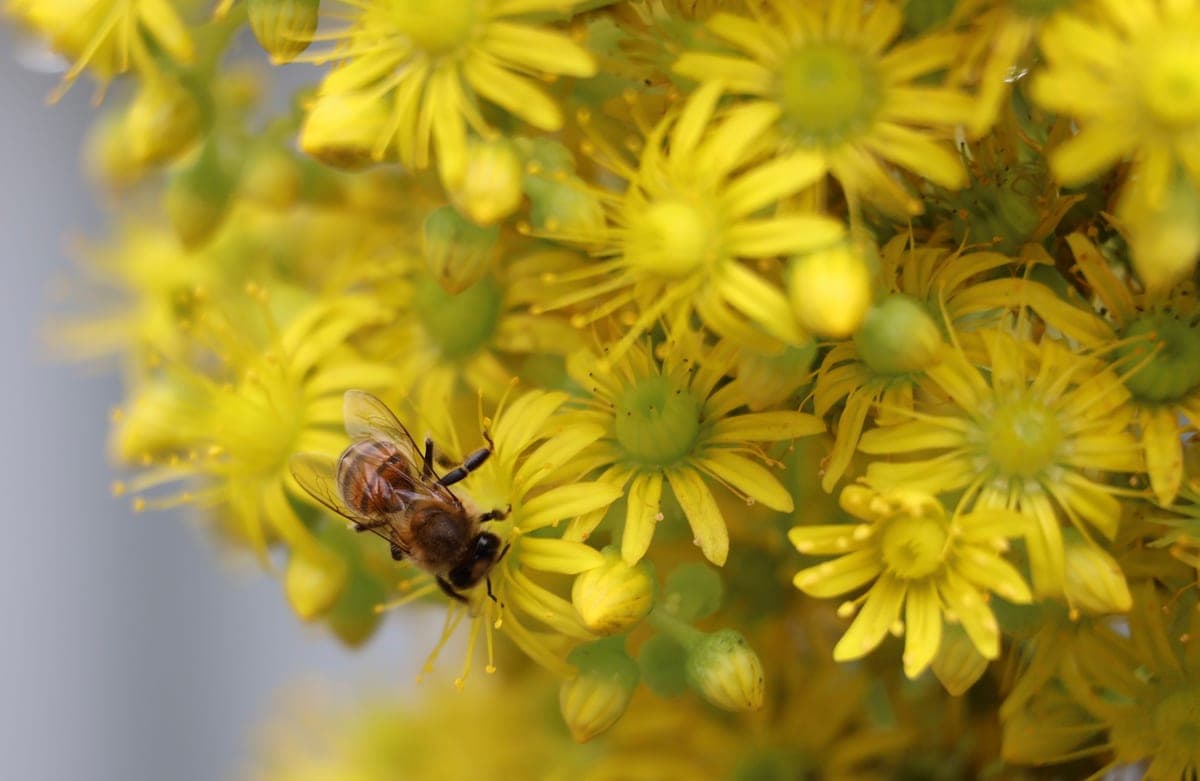
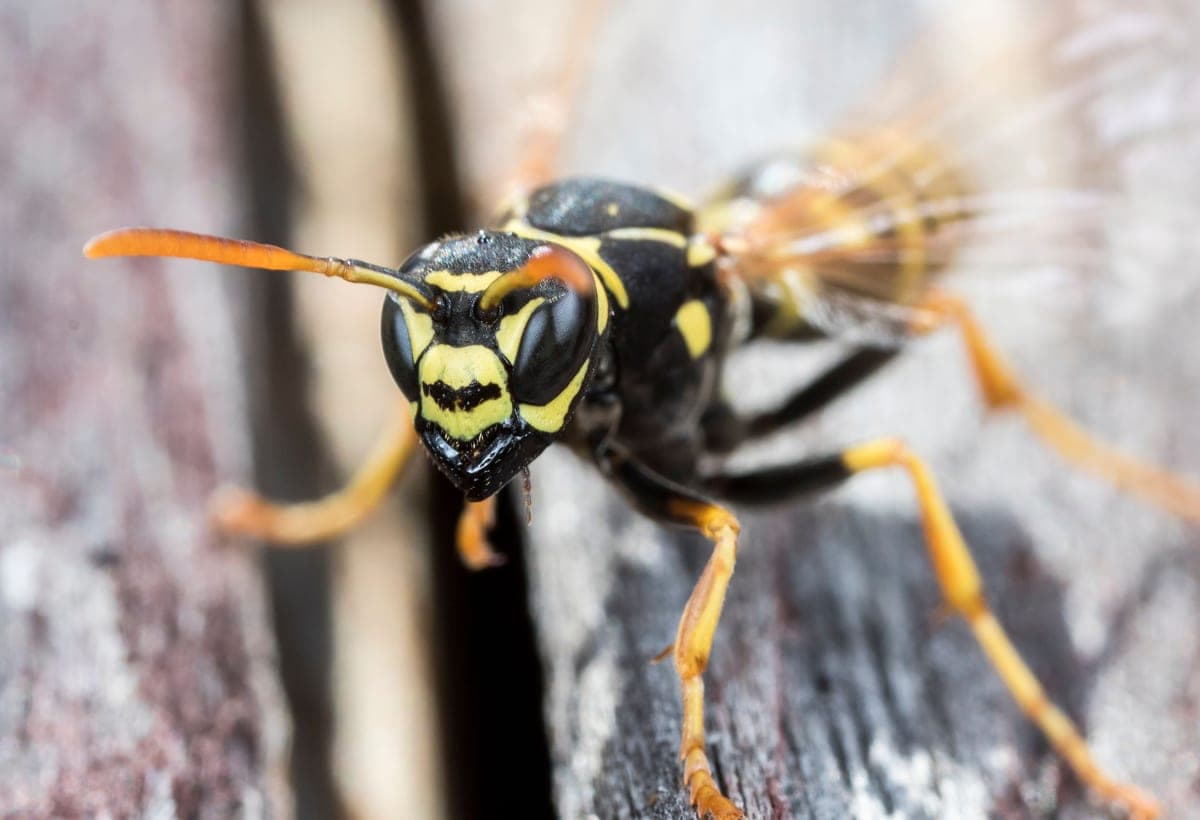
Bees and wasps fly. A moat is irrelevant to them. What works is denying access to the nectar: a saucer design that puts the nectar surface below the ports, out of reach of a short insect tongue, or a fitted guard like a Nectar-Guard tip that closes behind a hummingbird’s bill.
One cause underlies almost every infestation: the feeder is dripping.
An inverted-bottle feeder leaks as the trapped air above the nectar warms and expands, pushing liquid out through the ports. That nectar runs down the outside of the feeder and onto the ground. Bees feed on it. Ants follow it. Audubon puts the point plainly — the easiest way to deal with these pests is to keep your feeders tidy, and if the feeder is covered in sugar water, barring bees from the drinking hole will not do much good.
So the highest-leverage fix in this whole section is not a product at all. It is switching to a saucer feeder, which cannot drip, and wiping the outside of the feeder every time you refill it. Why bottle feeders drip.
Two pieces of common advice are worth naming because they are genuinely dangerous rather than merely useless.
Insecticide. Audubon warns that pesticides can injure, kill and reduce population numbers of birds, bees and other animals. Nothing sprayed goes near a feeder.
Oil or petroleum jelly around the ports or on the wire. It does deter insects. It also damages feathers if a hummingbird contacts it, and a hummingbird will contact anything smeared around the hole it feeds from. A bird with fouled feathers cannot thermoregulate or fly properly.
And one that is merely useless: aluminum foil. Ants walk over it without difficulty and there is no mechanism behind the tip. Addressed properly here.
Common questions
Stop the drips first — a saucer feeder, or tighter seals — then wash the outside at every refill, move the feeder a few feet, and fit bee guards. Never use insecticide or oil.
No. A moat is a cup of water that crawling insects will not cross. Bees fly over it. Different problems, unrelated solutions.
The feeder dripping. Spilled nectar on the outside of the feeder and on the ground is what bees feed on and what ants follow.
Elsewhere on Wing & Window
9 pages in this section. How we choose picks.