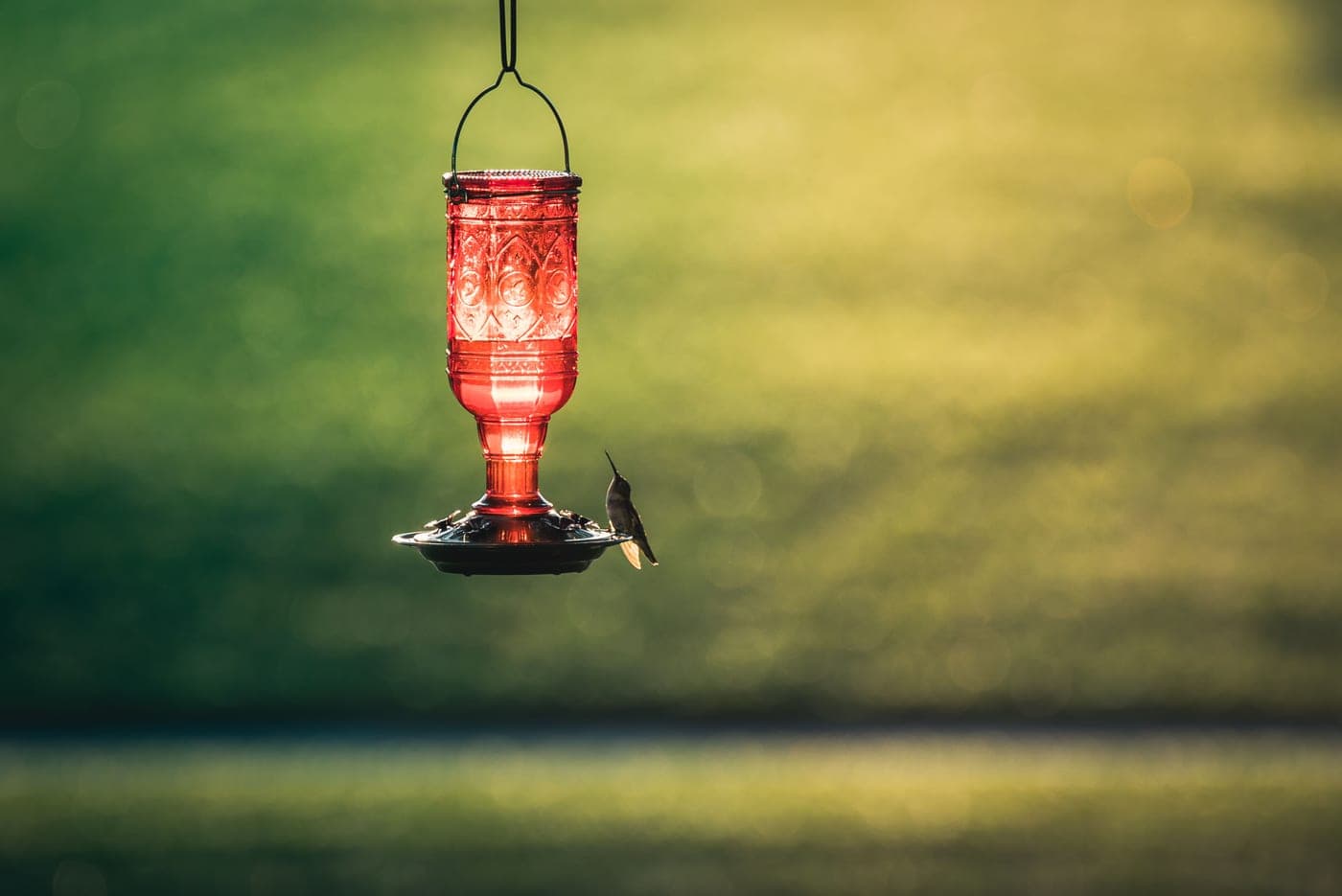
Best overall
The best hummingbird feeders
Seven feeders ranked, with cleaning access scored on every one. Our overall pick is the Aspects HummZinger HighView.
Top pick: Aspects HummZinger HighView 12 oz
Wing & Window
Saucer or bottle, glass or plastic, four ports or ten. The differences are small on a shelf and large in a backyard, and almost all of them come down to how the thing comes apart.
We earn a commission on purchases made through our links, at no extra cost to you. We don’t accept free products or paid placements. Full disclosure.
Buy a saucer feeder that comes apart in two pieces, sized 8 to 16 oz, with an ant moat built in. That single sentence covers about ninety percent of the decision, and the rest of this section is the reasoning behind it plus the cases where a different answer is right.
If you want the short version: our overall pick is the Aspects HummZinger HighView, and the full ranking is on the best hummingbird feeders.
In this section
Best overall
Seven feeders ranked, with cleaning access scored on every one. Our overall pick is the Aspects HummZinger HighView.
Top pick: Aspects HummZinger HighView 12 oz
Best glass overall
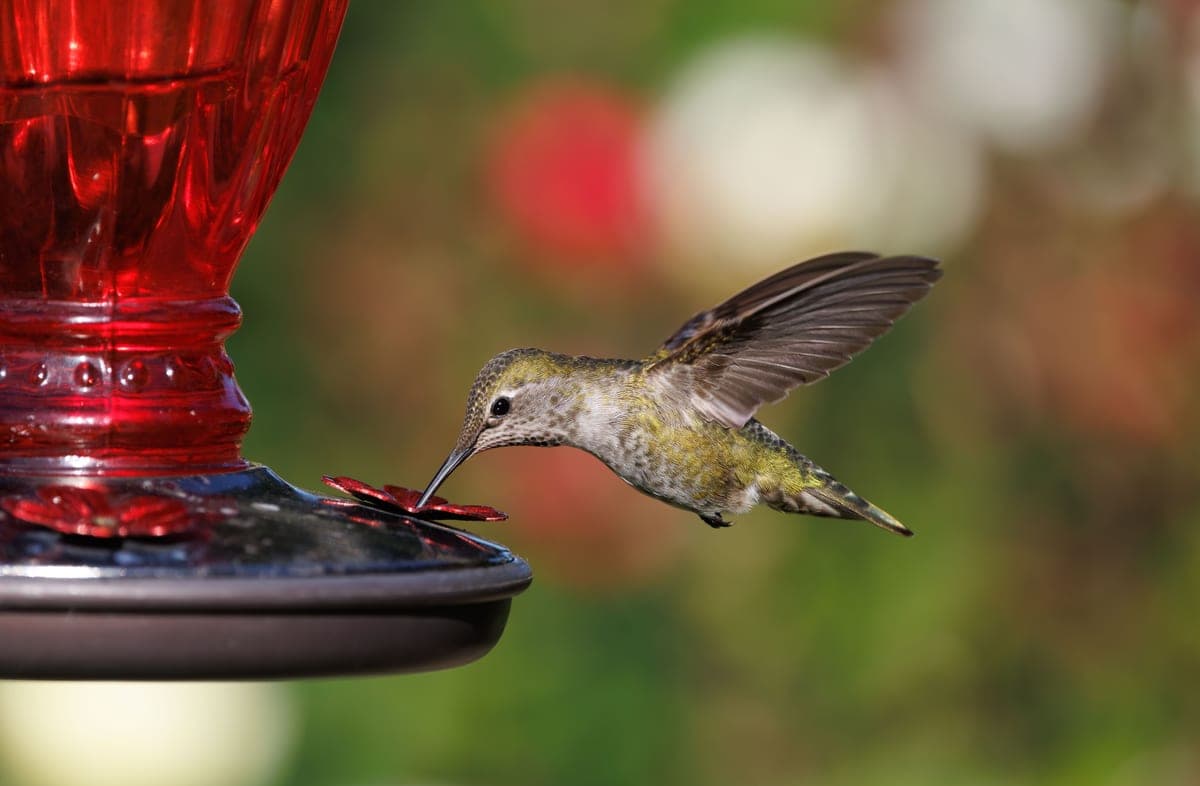
Four glass feeders compared. The Kingsyard 16 oz takes it on ports, moat and disassembly.
Top pick: Kingsyard 16 oz Glass Feeder
$22.99 13% off
Best bee guards
Bee guards that work by geometry rather than hope. The HummZinger Ultra's Nectar-Guard tips take it.
Top pick: Aspects HummZinger Ultra 12 oz
Best camera
Three smart feeders compared on camera, ports and — the part nobody covers — how hard they are to clean.
Top pick: Bird Buddy Smart Hummingbird Feeder Pro
Best no-leak overall
Leaking is a design property, not a defect. Four feeders that physically cannot do it.
Top pick: Aspects HummZinger HighView 12 oz
Best window feeder
Three window feeders compared. The Aspects Jewel Box wins on the hinged lid.
Top pick: Aspects Jewel Box Window Feeder 8 oz
Best saucer overall
Four dish feeders compared — the design we recommend by default across the site.
Top pick: Aspects HummZinger HighView 12 oz
Best all-weather
Built for UV, heat, wind and rain — and still easy to wash after two seasons.
Top pick: Aspects HummZinger HighView 12 oz
Best overall, 2026
Our 2026 picks, plus an honest account of what did and did not change this year.
Top pick: Aspects HummZinger HighView 12 oz
Best glass
Glass for visibility and longevity, plastic for weight, cost and anywhere windy. The verdict, with the reasoning.
Top pick: Kingsyard 16 oz Glass Feeder
$22.99 13% off
Best saucer
The category's defining argument. Saucers win on leaking, bees and cleaning; bottles win on capacity.
Top pick: Aspects HummZinger HighView 12 oz
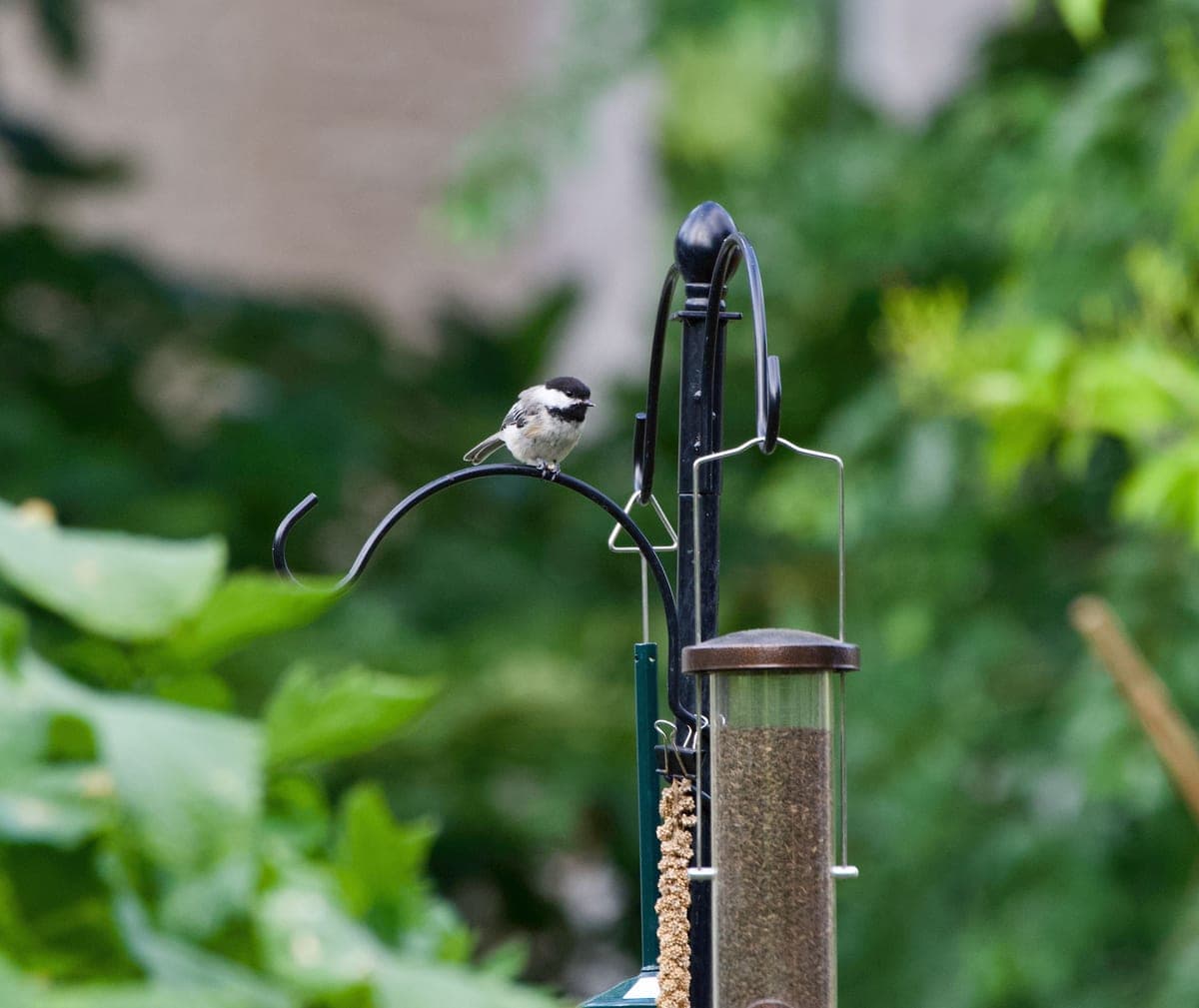
Best for a hook or a post
Four to six feet, partial shade, near cover, within reach. Why shade beats height every time.
Top pick: Aspects HummZinger HighView 12 oz

Best first feeder
Six decisions in the order that matters. Design first, cleaning access second, capacity fourth.
Top pick: Aspects HummZinger HighView 12 oz
Right size for most yards
8-16 oz for most yards. Why buying big produces waste rather than fewer refills.
Top pick: Aspects HummZinger HighView 12 oz
The part most feeders are missing
What each part does, which fails first, and when a replacement beats a whole new feeder.
Top pick: Trap-It Ant Moat
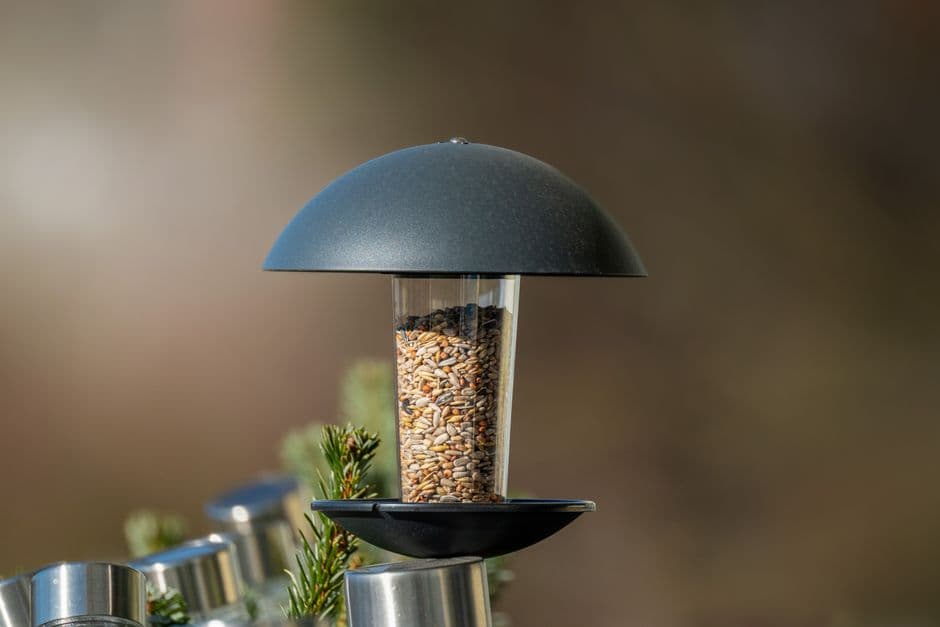
Best plastic feeder overall
Five plastic feeders compared. The HummZinger HighView wins, and clouding is the honest catch.
Top pick: Aspects HummZinger HighView 12 oz
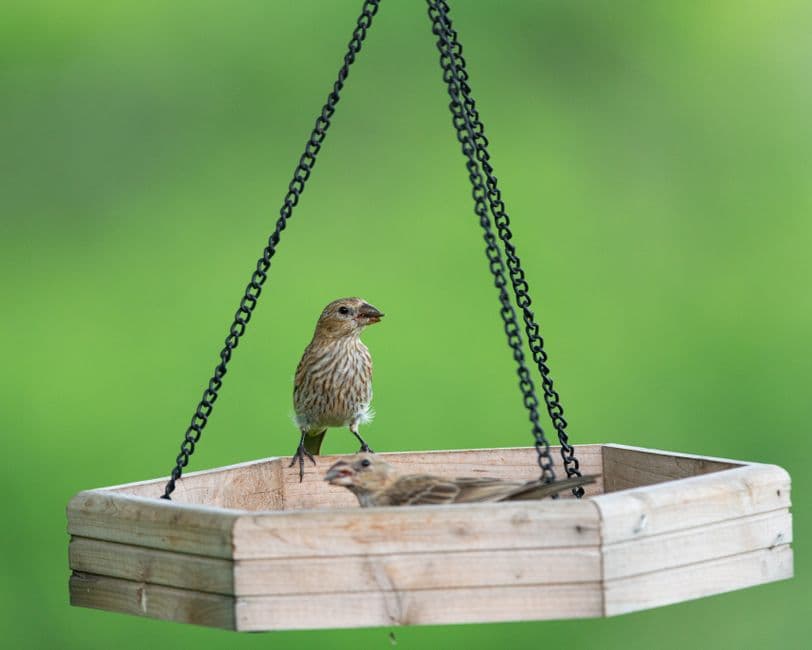
The one to start with
Two small feeders beat one large one — because a bird cannot guard what it cannot see.
Top pick: Aspects HummZinger HighView 12 oz
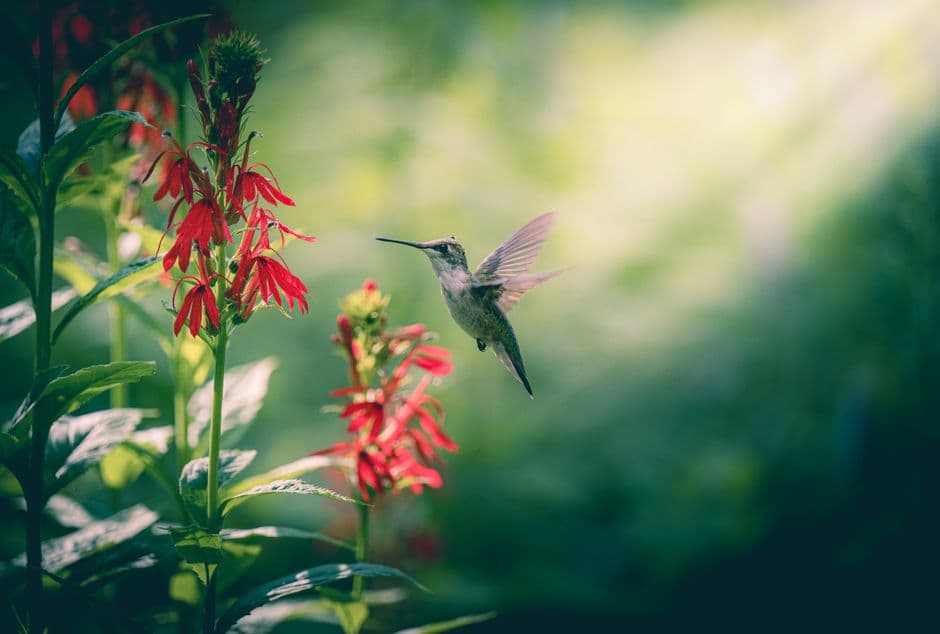
Best for hot weather overall
In heat, small and fast-to-wash beats big. Four feeders judged on the daily change cycle.
Top pick: Aspects HummZinger HighView 12 oz

Best for wind overall
Light, low-profile and post-mountable. Three picks for yards where the hook never stops moving.
Top pick: Aspects HummZinger HighView 12 oz
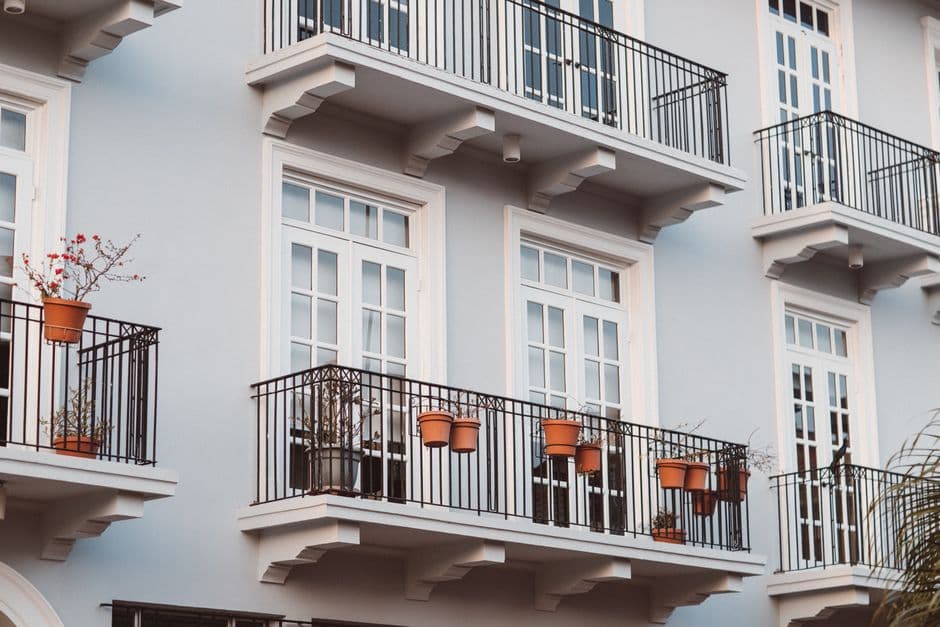
Best for a balcony overall
Small, mountable and drip-free. Picks for a railing, a window or a rented balcony.
Top pick: Perky-Pet 217 Window Mount 8 oz
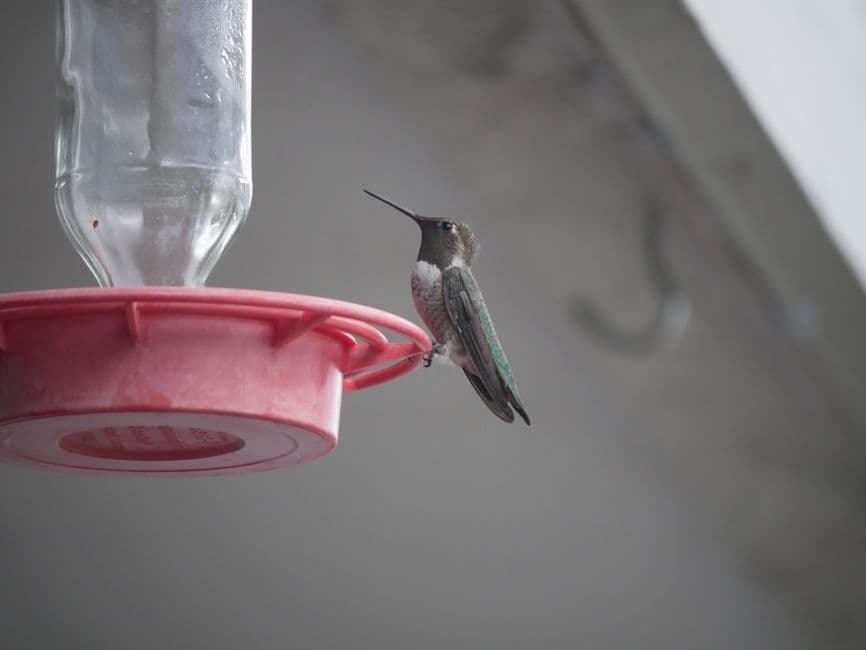
Best American-made overall
Aspects builds in Rhode Island; First Nature states made in America. The brands we could not verify are named too.
Top pick: Aspects HummZinger HighView 12 oz
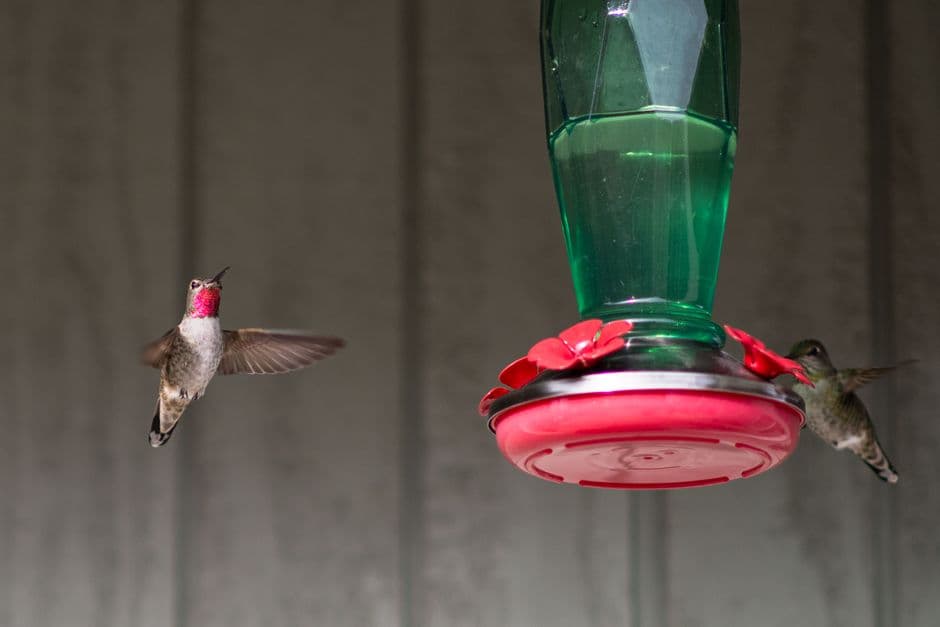
Best budget feeder overall
Cheap feeders that still come apart properly — the only budget test that matters.
Top pick: First Nature 3051 16 oz
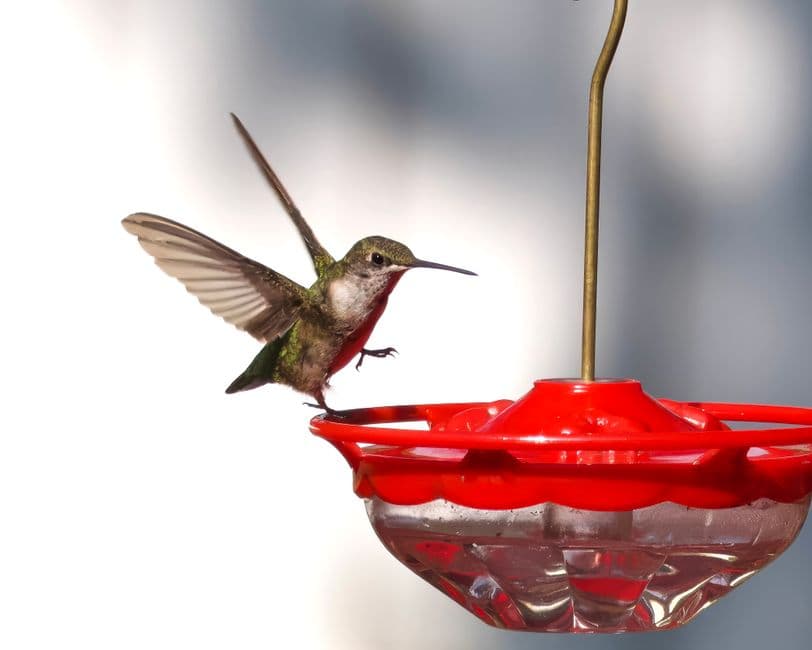
The one that makes it worth it
Worth it if you'll clean it; harmful if you won't. The real time cost, honestly stated.
Top pick: Aspects HummZinger HighView 12 oz
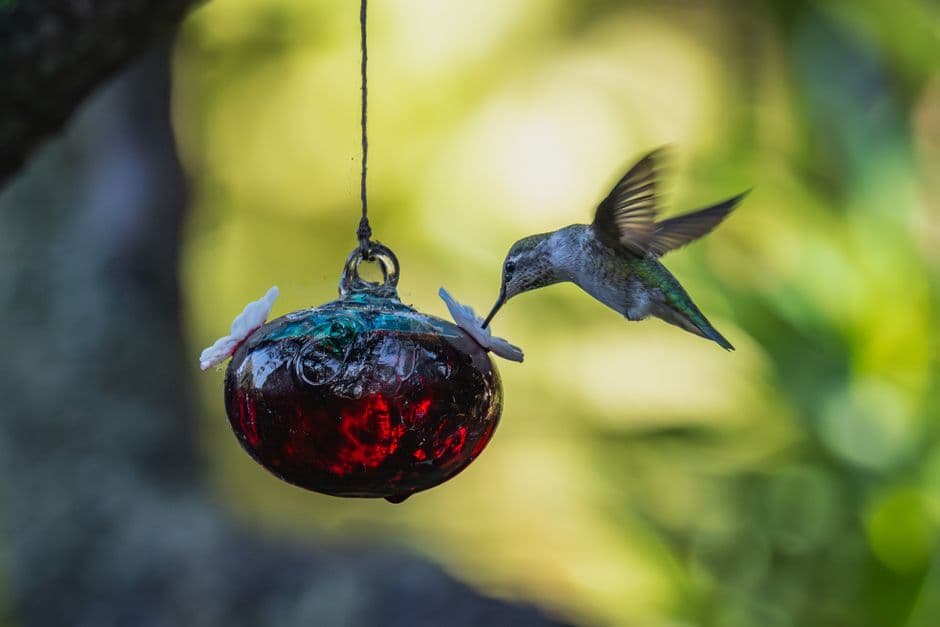
Best with no recurring fee
Which camera feeders work with no recurring fee — and exactly what each subscription gates.
Top pick: Birdfy Hum Feeder Duo
Best perch overall
Perches let birds drink without hovering. Five feeders compared on perch design, guarding and cleaning.
Top pick: Aspects HummZinger HighView 12 oz
Best deck hook overall
Two clamp-on rail hooks compared. Measure your railing first — that is the spec that fails.
Top pick: Kingsyard Adjustable Deck Hook
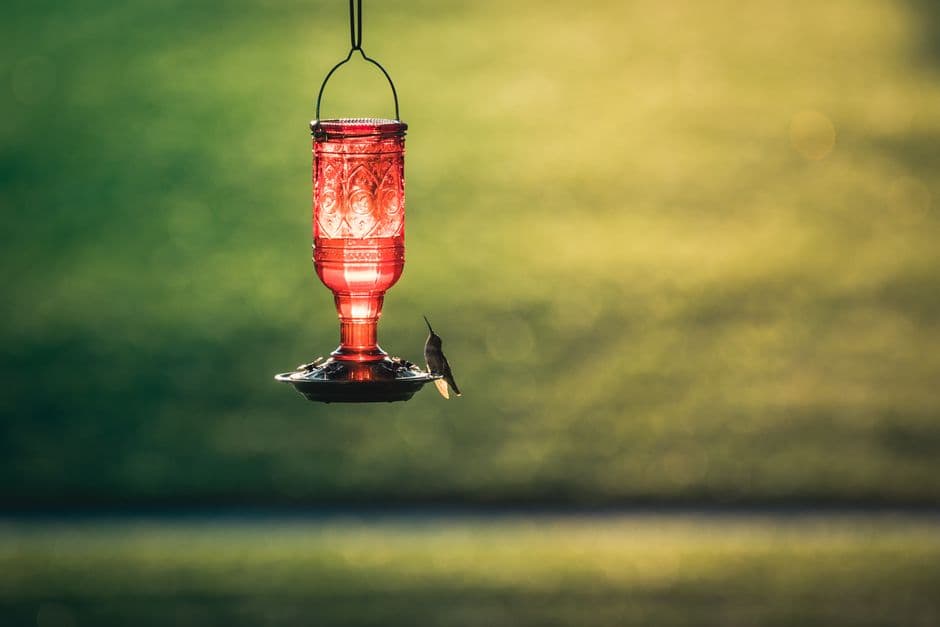
Best top-fill for most yards
Four top-fill feeders compared. The mechanism is real; the capacity it tempts you into is the trap.
Top pick: Perky-Pet Lavender Field Top-Fill Glass 16 oz
Best built-in moat
Four feeders with the moat included. Built-in means two different things - here is which one you want.
Top pick: Aspects HummZinger HighView 12 oz
Best dome for a hummingbird feeder
Three domes compared. Size it to the feeder, not to the rain - and no, it will not stop squirrels.
Top pick: Birds Choice Weatherguard Dome, 13 in
The heater to buy
The category is mostly unbranded. One heater we can verify, its real temperature limit, and the no-power alternative.
Top pick: Hummer Hearth Feeder Heater
Aspects - best overall brand
Aspects, Perky-Pet, More Birds, First Nature, Nature's Way and Birds Choice, judged on what you can verify.
Top pick: Aspects HummZinger HighView 12 oz
Best hummingbird swing
Three branded swings compared, the mechanism that makes them work, and the free version of the same idea.
Top pick: Perky-Pet Beaded Copper Hummingbird Swing (90)
Feeders are sold on capacity, color and how many birds they will attract. None of those is the real axis. There are three decisions that determine what your season is like, and they are all structural.
Saucer or bottle. A saucer holds nectar in a shallow bowl beneath the ports; a bottle holds it in a reservoir above them, kept up by a pressure balance. That balance is temperature-dependent, so a bottle drips when the sun comes round — which is what recruits bees and ants. A saucer physically cannot. It also washes as an open bowl in about two minutes, where a bottle is a reservoir you cannot see into plus a base with ports on the underside. The full comparison.
Glass or plastic. Less important than the first decision, and usually decided by where the feeder hangs. Glass stays optically clear forever; polycarbonate develops a permanent UV haze after a couple of seasons, and once it does you cannot tell by looking whether the nectar has gone cloudy. Against that, glass breaks and is heavy. Anywhere windy, high, or above a hard surface: plastic. Glass vs plastic.
How big. Smaller than instinct suggests. Nectar spoils on a schedule set by temperature rather than by volume — every three to five days in moderate weather, daily in a heatwave — so a 32 oz feeder in an average yard produces sugar water you pour away rather than fewer trips outside. Eight to sixteen ounces is right for most people. The arithmetic.
The gap between a twelve-dollar feeder and a twenty-five-dollar one is almost entirely cleaning access. Both hold nectar. Both are red. The expensive one comes apart in one motion so the wash takes two minutes; the cheap one has a sealed base and a neck a brush will not enter, which means it never really gets cleaned and the nectar ferments where you cannot see it.
That is why every roundup on this site scores cleaning access on every pick, and why our top recommendation is a plain plastic dish rather than something prettier. It is not fastidiousness — mold and fermentation are what actually harm hummingbirds, and the wash is what prevents them. The cadence · how we score it.
The exception at the top of the market is camera feeders, where you are paying for a camera. Those are a genuinely different product with a genuinely different trade-off — covered here.
Buying one big feeder instead of two small ones. Hummingbirds are territorial: a dominant bird picks a lookout perch and drives everything else off a single feeder, all season, no matter how many ports it has. It cannot defend what it cannot see. Two 8 oz feeders on opposite sides of the house will show you more birds than one 32 oz feeder ever will — and each stays a small, quick wash. Where to hang them.
Common questions
A saucer feeder that comes apart in two pieces, 8 to 16 oz, with a built-in ant moat. Nectar sits below the ports so it cannot drip, bees struggle to reach it, and it washes in about two minutes.
Twenty to thirty dollars buys the good saucers. The difference from a twelve-dollar feeder is almost entirely cleaning access, which is what determines whether the nectar stays safe to drink.
At least two, out of sight of each other. A dominant hummingbird will guard a single feeder from a lookout perch for the whole season.
Elsewhere on Wing & Window
31 pages in this section. How we choose picks.