Fastest to clean
How often to clean a hummingbird feeder
3-5 days normally, daily when hot, full break-down weekly. The cadence and the sourcing.
Top pick: Aspects HummZinger HighView 12 oz
Wing & Window
This is the part nobody puts on the box. Nectar spoils on a schedule set by the weather, and a feeder you cannot take apart in thirty seconds is a feeder that stops getting cleaned.
We earn a commission on purchases made through our links, at no extra cost to you. We don’t accept free products or paid placements. Full disclosure.
Change the nectar every three to five days in moderate weather, daily in very hot weather, and take the feeder fully apart for a proper wash at least once a week. That is Cornell Lab and Clemson extension guidance, and it is the whole discipline.
It is also the argument this entire site is built around, because a feeder you cannot wash in two minutes is a feeder that quietly stops getting washed. The cadence · the method.
In this section
Fastest to clean
3-5 days normally, daily when hot, full break-down weekly. The cadence and the sourcing.
Top pick: Aspects HummZinger HighView 12 oz
The kit that does it
Six steps, the vinegar ratio, the bleach caveat, and why the port brush matters.
Top pick: Hummingbird Feeder Brush Kit (3-piece)
What actually removes it
Clearing it, and — more usefully — the four causes that keep bringing it back.
Top pick: Hummingbird Feeder Brush Kit (3-piece)

Best brush kit
Three brushes, and why the thin port brush is the only one that matters most.
Top pick: Hummingbird Feeder Brush Kit (3-piece)
Does more than either liquid
Vinegar 4:1 weekly; bleach only for established mold, and rinse like you mean it.
Top pick: Hummingbird Feeder Brush Kit (3-piece)
Easiest overall
Ranked on cleaning access alone. The HummZinger HighView opens in one motion and wins.
Top pick: Aspects HummZinger HighView 12 oz
The thing that actually cleans a port
It depends entirely on the model — and even when it's allowed, the ports still need a brush.
Top pick: Hummingbird Feeder Brush Kit (3-piece)
Most hummingbird sites treat cleaning as an afterthought — a paragraph near the bottom of a buying guide. It should be the buying guide.
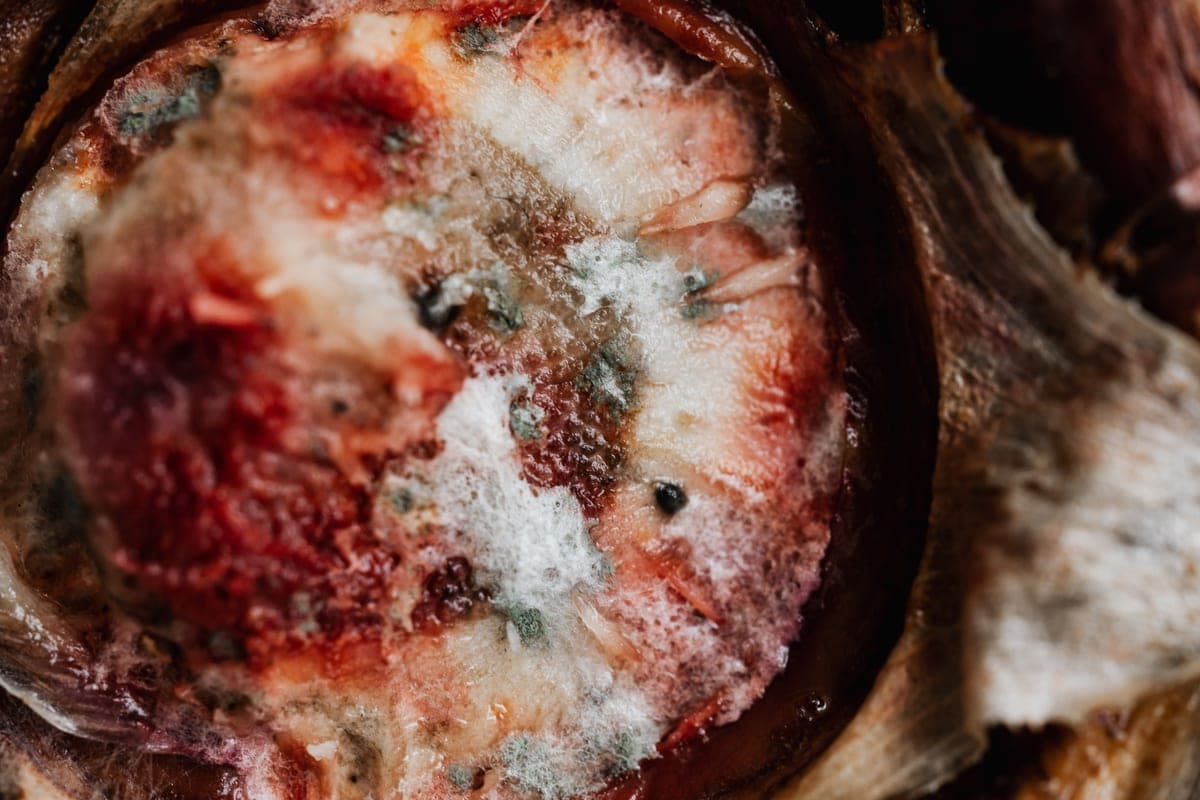
Warm sugar water sitting outdoors ferments and grows mold. Cornell’s wording is direct: changing the sugar water prevents mold and deadly fermentation. Mold establishes in the feeding ports first, because they are warm, sugary and never reached by running water — and the ports are exactly where a bird puts its bill and tongue.
So the cleaning schedule is not housekeeping. It is the difference between a feeder that helps hummingbirds and one that harms them, and it runs every few days for six months.
Here is the connection almost nobody makes at the point of purchase. The schedule is fixed and non-negotiable, but keeping it depends entirely on human follow-through across an ordinary summer — and follow-through is a function of friction.
A two-part saucer opens in one motion and washes as a shallow bowl: about two minutes. A sealed decorative bottle with a neck no brush enters takes ten minutes and a bad mood. Over sixty washes in a season, that is not a convenience preference. It is the difference between a schedule you keep and one that becomes fortnightly without you deciding anything.
Which is why cleaning access is scored on every product on this site, and why the top pick in our main roundup is a plain plastic dish rather than something prettier. The scoring · the feeders that genuinely open.
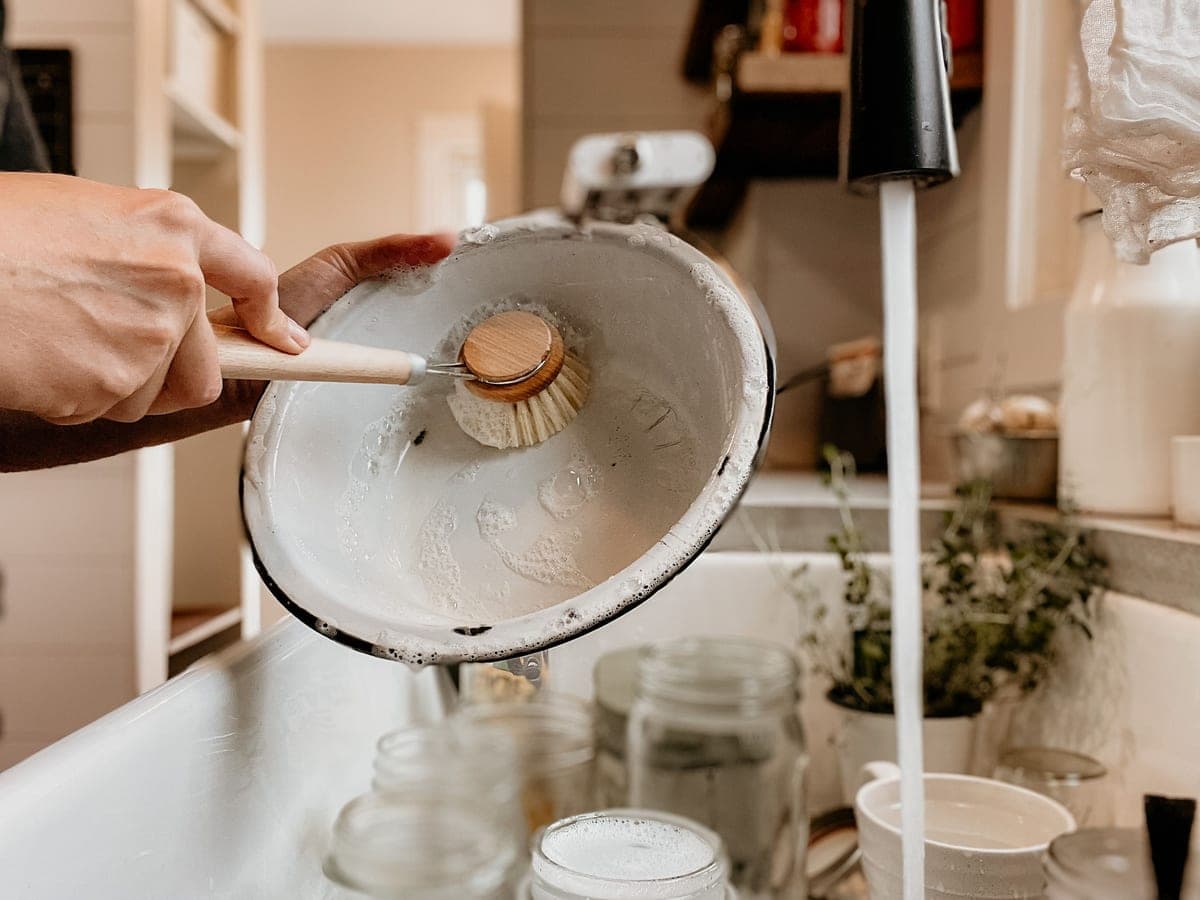
Hot water and brushes every change; a four-to-one vinegar and water solution for the weekly break-down wash; dilute bleach only for established mold, and then rinse like you mean it. Sources genuinely differ on soap — Cornell advises against it for nectar feeders while Perky-Pet recommends mild soap and water weekly for its own products — and hot water plus a brush sidesteps the argument. Vinegar vs bleach.
The tool that matters more than the liquid is a port brush. It is the only thing that reaches inside a feeding port, which is where mold starts. A three-piece kit costs a few dollars. Brush kits.
Recurring mold is a symptom, and it is nearly always one of four causes: the interval is too long, the feeder is in full sun, you are topping up rather than emptying, or the feeder cannot actually be cleaned. The last one is the one nobody wants to hear and the one that is most often true. Diagnosing it.
Common questions
Change the nectar every three to five days in moderate weather and daily in very hot weather, with a full break-down wash at least weekly.
Hot water and a brush every change, a four-to-one vinegar and water solution weekly, and dilute bleach only for established mold — rinsing thoroughly and air drying every time.
The nectar ferments and mold establishes in the ports. Cornell describes preventing mold and deadly fermentation as the reason for the schedule.
Elsewhere on Wing & Window
7 pages in this section. How we choose picks.