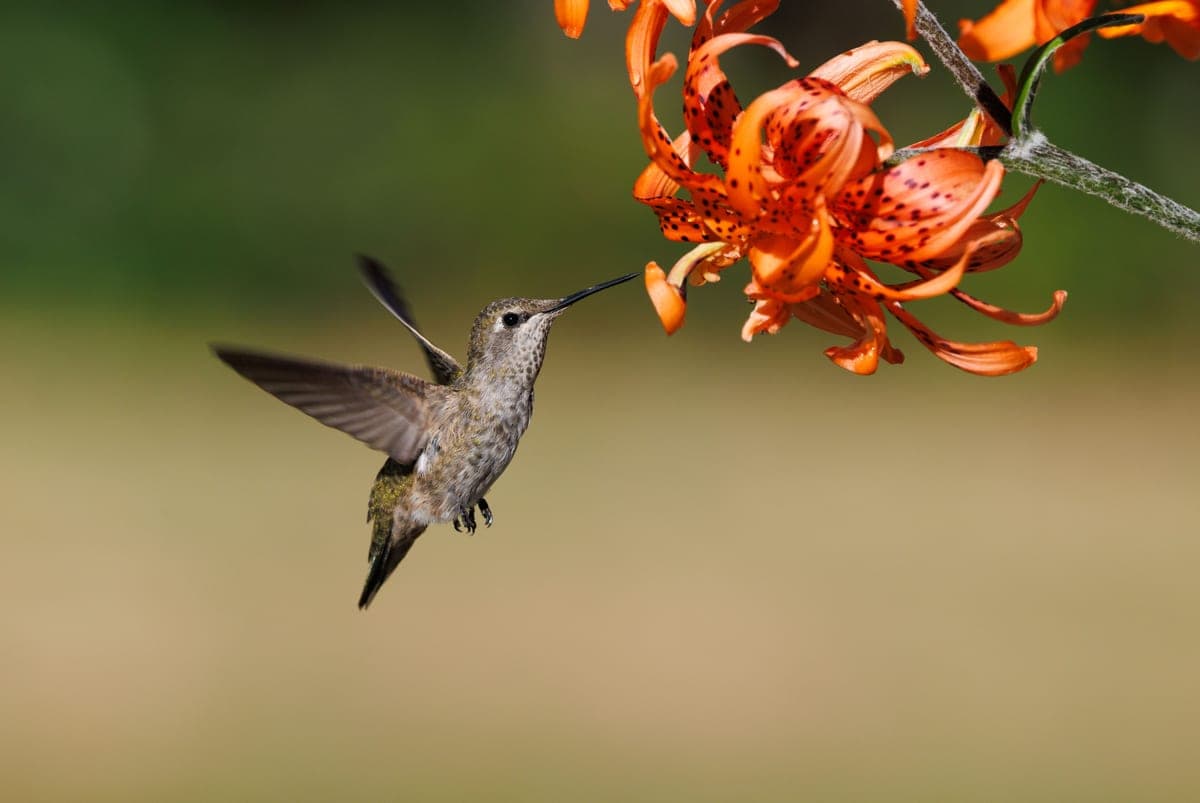
The one to have hanging in March
When to put hummingbird feeders out
Audubon's regional timing: early March in the Southeast, late April in the Northeast.
Top pick: Aspects HummZinger HighView 12 oz
Wing & Window
We are not going to pretend to run a sightings map. What we can tell you is the part that involves your feeder: when to hang it, and when — or whether — to take it down.
We earn a commission on purchases made through our links, at no extra cost to you. We don’t accept free products or paid placements. Full disclosure.
Hang the feeder a week or two before hummingbirds normally arrive where you live, and take it down about two weeks after your last sighting. Audubon’s guidance is early March in the Southeast and late April in the Northeast.
And the myth worth killing first: leaving a feeder up in fall does not delay migration. Hummingbirds leave on day length and instinct, not on whether your feeder is full. Spring timing · fall timing.
In this section
The one to have hanging in March
Audubon's regional timing: early March in the Southeast, late April in the Northeast.
Top pick: Aspects HummZinger HighView 12 oz
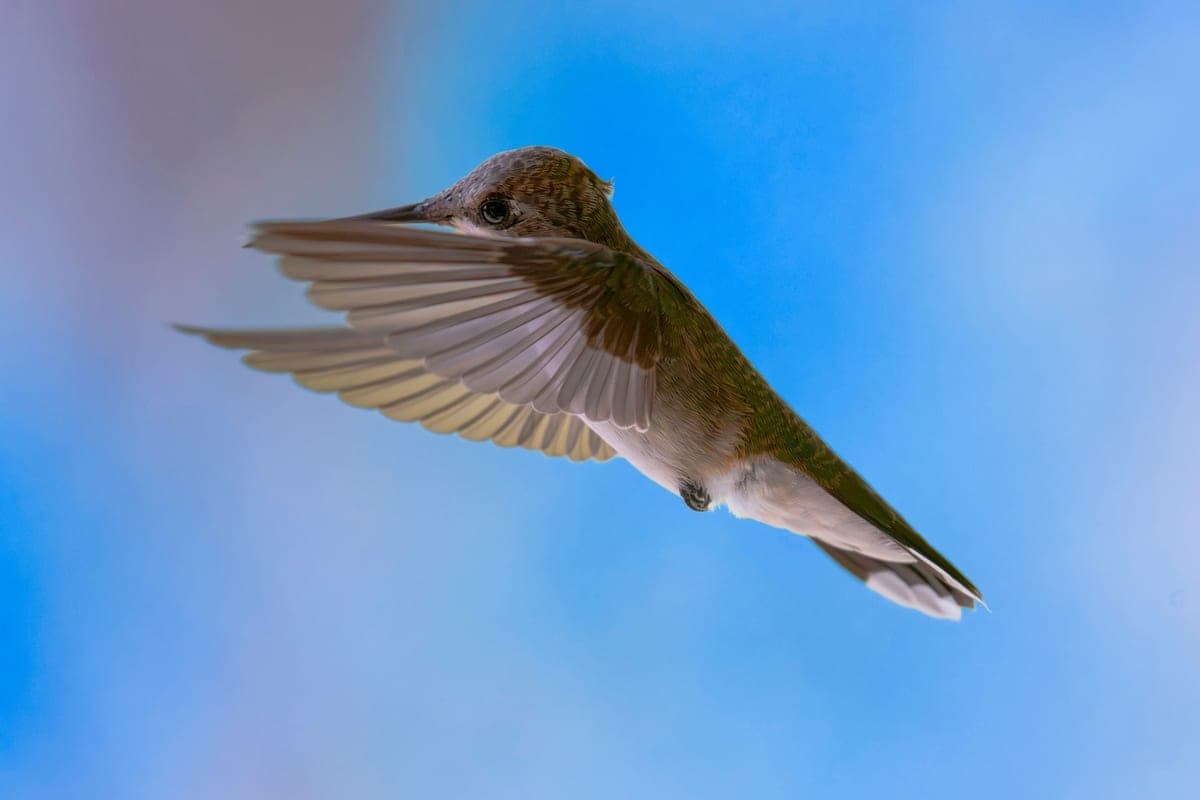
Easiest to keep going late
Two weeks past your last sighting. Plus the migration-delay myth, addressed directly.
Top pick: Aspects HummZinger HighView 12 oz
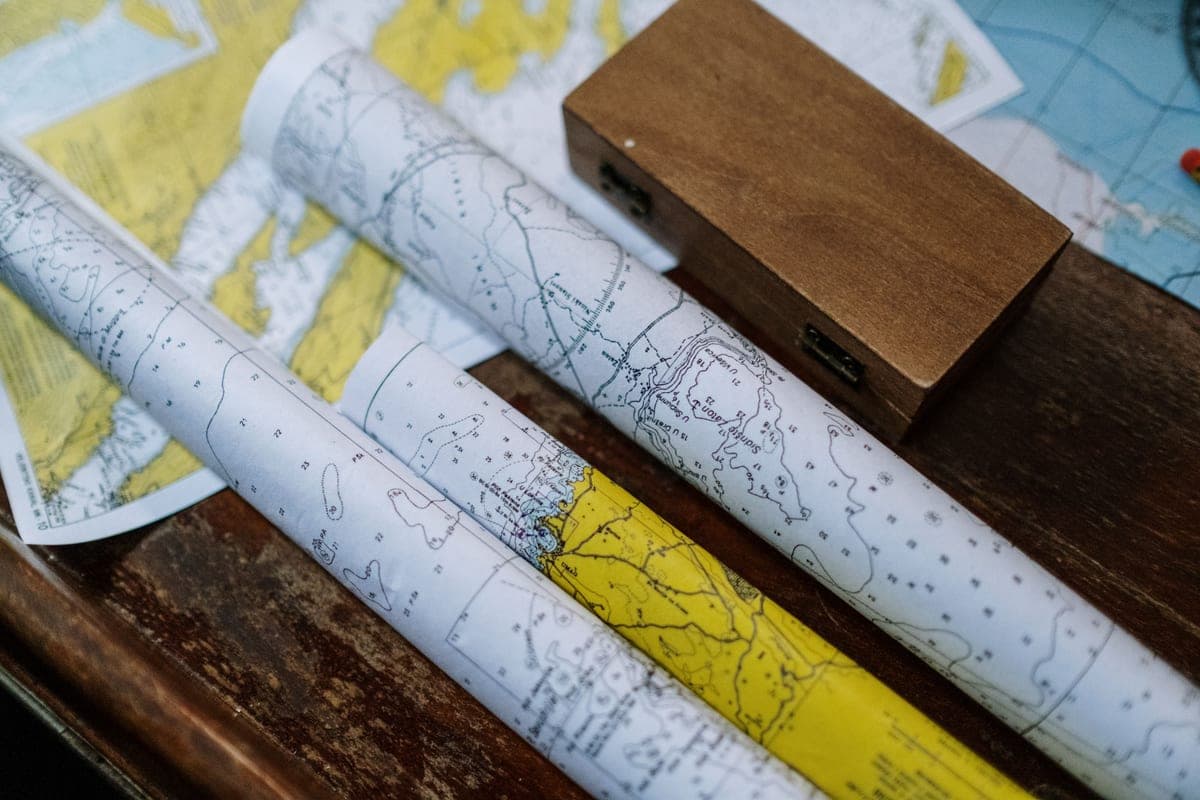
Right feeder wherever you are
Regional arrival and departure windows, with a plain note on what we do not have data for.
Top pick: Aspects HummZinger HighView 12 oz
Best shape for winter
Feeders don't delay migration. Where Anna's overwinter, keep it up — and keep it from freezing.
Top pick: Aspects HummZinger HighView 12 oz
We cover the part of migration that involves your feeder: when to hang it, when to take it down, and roughly when to expect birds in your region.
We do not publish live sightings data and will not pretend to. Real-time maps exist and they are built from years of user-submitted reports — Hummingbird Central runs the best-known one. We have no sightings feed and no contributor network, so anything we published claiming to show where the birds are right now would be invented. That is not modesty, it is the same rule that governs every other page here.
In the east, Ruby-throated Hummingbirds arrive in numbers along the Gulf Coast by early March and filter northward over the following two months, reaching northern states and southern Canadian provinces by late April or early May. Migrating males usually arrive about a week before females at any given location.
In the Mountain West, Broad-tailed, Black-chinned and Calliope hummingbirds appear near the Mexican border from early March and reach the northern Rockies by early to mid May. On the West Coast, Rufous Hummingbirds are as far north as Oregon by the end of February, while Anna’s and Allen’s are year-round residents — meaning coastal California has no season to time, just a feeder that has to stay clean all year. Regional windows in full.
Hanging the feeder two weeks early costs you a couple of nectar changes on an empty feeder — a few cents and four minutes. Hanging it two weeks late means the first arrivals pass through a yard with nothing in it, at the point in the year when natural nectar is scarcest and they have just flown a very long way.
The same asymmetry runs in reverse in fall. Migration is staggered: birds that bred in your yard leave before the ones that bred further north pass through it, and those late travelers arrive to find most feeders already taken down. Two weeks after your last sighting is the rule that handles it.
Cool spring and fall weather does slow fermentation, so the change interval sits at the longer end — every four to five days rather than daily. It does not stop. And a feeder coming out of the shed needs a full wash before it is filled, because last season’s residue is still in the ports. The method.
Common questions
A week or two before hummingbirds normally arrive where you live — Audubon suggests early March in the Southeast and late April in the Northeast.
No. Migration is triggered by day length and instinct rather than food supply. A feeder left up provides fuel for a long journey.
We do not publish live sighting data and will not pretend to. Sites that collect user-submitted reports run those maps; what we can give you is the typical seasonal pattern.
Elsewhere on Wing & Window
4 pages in this section. How we choose picks.